HitGen offers comprehensive solutions for the development of oligonucleotide therapeutics, covering the entire process from research and development to production.
Against the backdrop of the rapidly advancing field of nucleic acid therapeutics, structural modifications based on nucleic acid conjugates have emerged as a "core engine" for pharmaceutical innovation. The site-directed conjugation of functional molecules, including small molecule ligands, peptides, lipids, and antibodies, to siRNA through precision chemical coupling techniques stands as a powerful strategy to overcome the central challenge of nucleic acid drug delivery. Crucially, the value of nucleic acid conjugates extends beyond delivery optimization, playing pivotal roles in other pioneering therapeutic arenas, as exemplified by the recent breakthrough application of groundbreaking Oligo-PROTAC technology.
Oligo-PROTAC:
The fundamental mechanism of oligonucleotide-conjugate-based proteolysis-targeting chimeras (PROTACs) utilizes a heterobifunctional molecule to bridge the target protein (protein of interest, POI) with an E3 ubiquitin ligase. This enables formation of a ternary complex that induces ubiquitination tagging of the POI, culminating in its ultimate degradation via the proteasomal pathway.
Multi-Role Functionality of Oligonucleotides: In the Oligo-PROTAC therapeutic strategy, small nucleic acids serve as triple-function elements: 1. Target protein ligand; 2. E3 ubiquitin ligase ligand; 3. Molecular bridge linker, enabling synergistic target engagement and degradation machinery assembly.
High Efficiency with Low Toxicity: PROTAC-based Targeted Protein Degradation therapy operates via an "event-driven" catalytic mechanism. This inherently dilutes the "side effect activity" of small-molecule drugs and enables highly efficient degradation at low concentrations.
Targeting Undruggable Targets: This approach overcomes the limitation of traditional small-molecule ligands that only target "druggable" sites. It holds significant potential for targets lacking binding pockets and those reliant on macromolecular interactions.
Broad Design Flexibility: Programmable sequences, modular design, mature aptamer screening technologies (e.g., SELEX), and versatile chemical conjugation platforms collectively expand therapeutic possibilities for cancers, inflammatory diseases, and other conditions.
Example 1: Nucleic Acid as POI Ligand in PROTAC:
By fusing an aptamer with an active group (NASA), the ZBP1-targeted C-PROTAC achieves covalent binding between the E3 ligand and the target protein, increasing degradation efficiency by over 3-fold [1].
Utilize mature SELEX methods to screen aptamers with specific binding to target proteins.
Form a covalent PROTAC system via conjugation between the aptamer and E3 ligand.
Significant design space exists for linker structures and coupling methods between the ligand and aptamer.
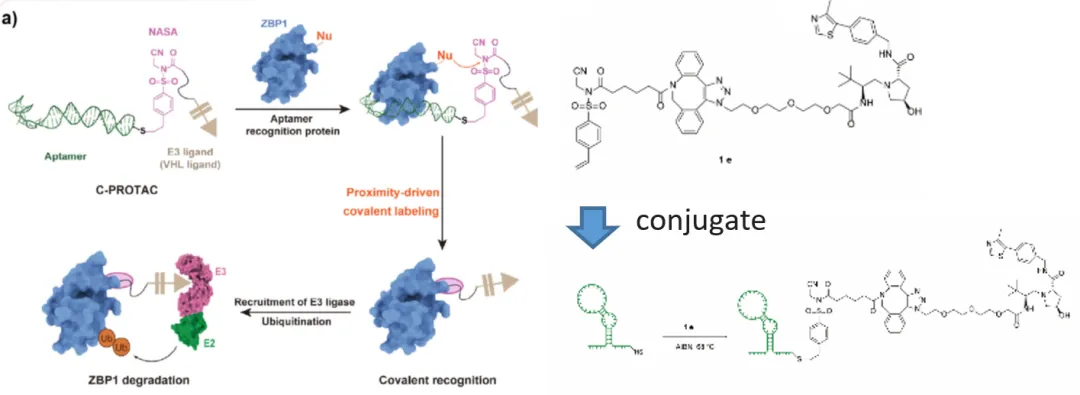
Figure 1: Oligo conjugate-mediated C-PROTAC[1]
Example 2: Nucleic Acid as E3 Ligand in PROTAC:
AS1411 DNA aptamer is a G-quadruplex structured oligonucleotide that specifically recognizes and binds to overexpressed nucleolin (NCL) on tumor cell surfaces.
By anchoring the E3 ligase Mouse Double Minute 2 Homolog (MDM2) via NCL, this method establishes a PROTAC system.[2]
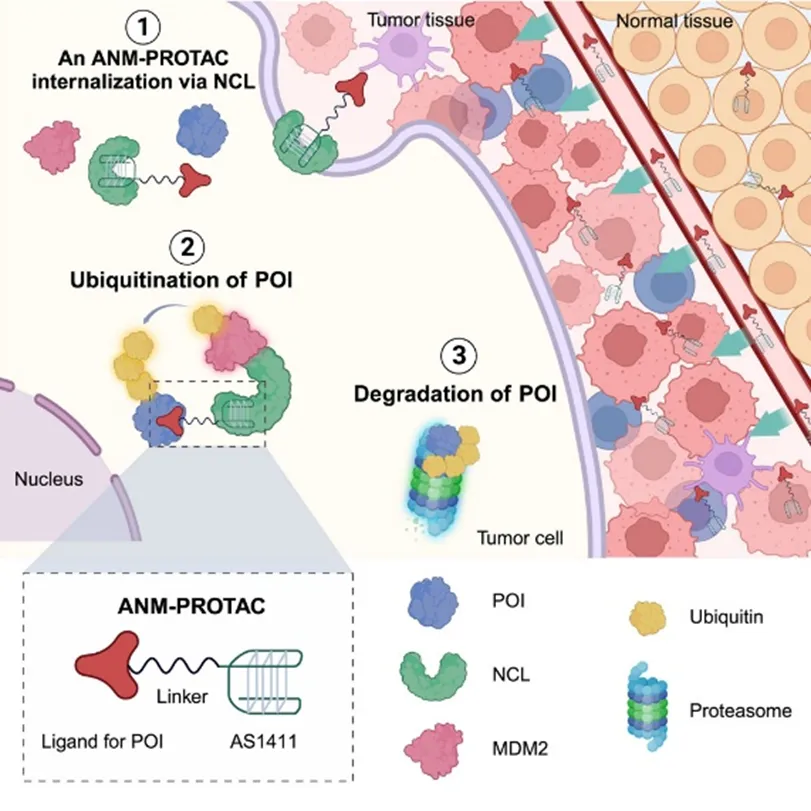
Figure 2: G-quadruplex application in Oligo-PROTAC[2]
Example 3: Nucleic Acid as Bridging Linker in PROTAC:
Fully leverage the hybridization properties of nucleic acids to construct DNA tetrahedrons, optimizing the spatial orientation and distance between functional domains to generate multifunctional nucleic acid composites.
All functional components of the composites can be obtained through oligo-conjugation.
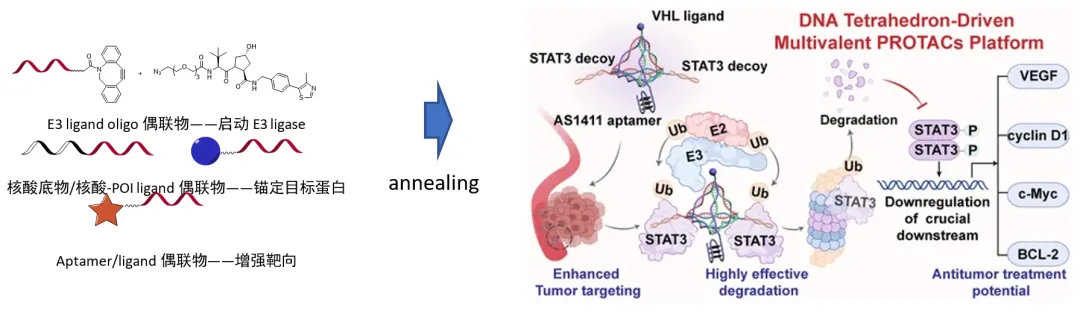
Figure 3: Nucleic acid hybridization tetrahedron-mediated PROTAC[3]
Example 4: High-quality Oligo-PROTAC conjugate:
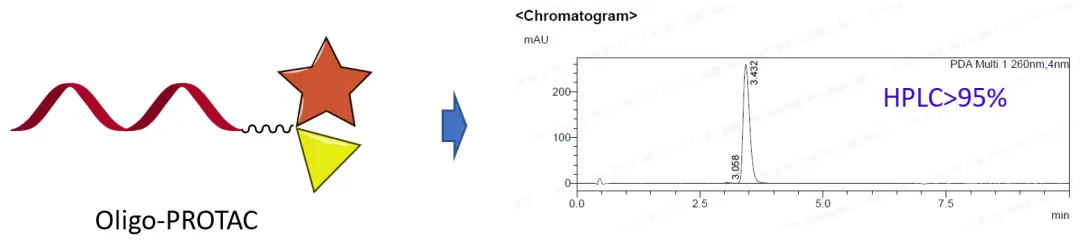
Figure 4: HPLC profile of Oligo-PROTAC conjugate
References:
1. R. Huang, Y. Hu, Y.-F. Wang. et al. Mol. Angew. Chem. Int. Ed. 2025
2. Xuekun F, Jin L, Xinxin C. et al. Cell Chem. Biol. 2024.13.7. 1290-1304.e7
3. Shiqing L, Tao Z, Zhixing W. et al. J. Am. Chem. Soc. 2025.147.2


 川公网安备 51012202000492号